Video
How one content day becomes ninety days of posts
Jan Ruley · July 8, 2026 · 15 min read
A single well-planned content day can give a local service business enough original material to support roughly 90 days of consistent content. The key isn't filming dozens of finished posts in one day — it's building a reusable content library from real people, real jobs and real expertise.
Summary: A single well-planned content day can give a local service business enough original photography, short-form video, expert interviews, customer FAQs, jobsite footage and behind-the-scenes material to support roughly 90 days of consistent content. The key isn't filming dozens of finished posts in one day. It's building a reusable content library from real people, real jobs and real expertise, then intentionally adapting that material for your website, Google Business Profile, Facebook, Instagram, LinkedIn, YouTube and search/AI discovery.
This approach aligns particularly well with Google's current emphasis on unique, first-hand, people-first content rather than high-volume commodity content. (Google for Developers)
Your business is probably creating content every day. You're just not capturing it.
“We don't know what to post.”
One of the most common things I hear from local business owners is: “We don't know what to post.”
But when I walk into an HVAC, plumbing, electrical or other service company, I usually see the opposite problem. There's content everywhere.
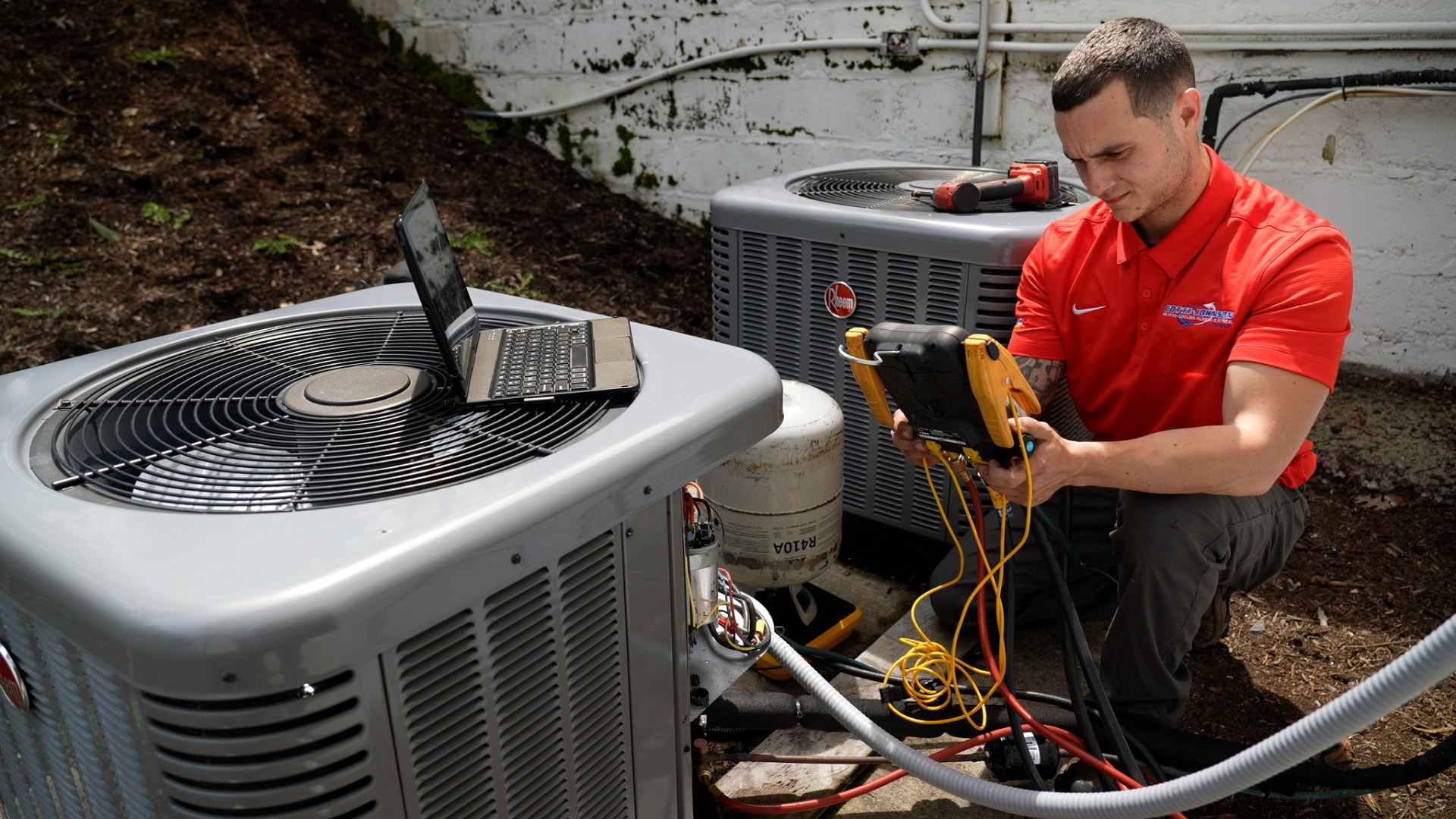
- A technician is explaining why a 12-year-old AC system failed.
- A plumber is replacing an old tank water heater with a tankless system.
- An electrician is explaining why a homeowner's panel needs to be upgraded.
- A CSR is answering the same question she's heard 20 times this month.
- The owner is talking about why the company does something differently from its competitors.
- A customer just left a fantastic review.
- The crew is loading trucks at 7 a.m.
That's all content.
The problem isn't that the business doesn't have anything interesting to say. Nobody has built a system for capturing it.
That's the idea behind a Content Day.
What is a Content Day?
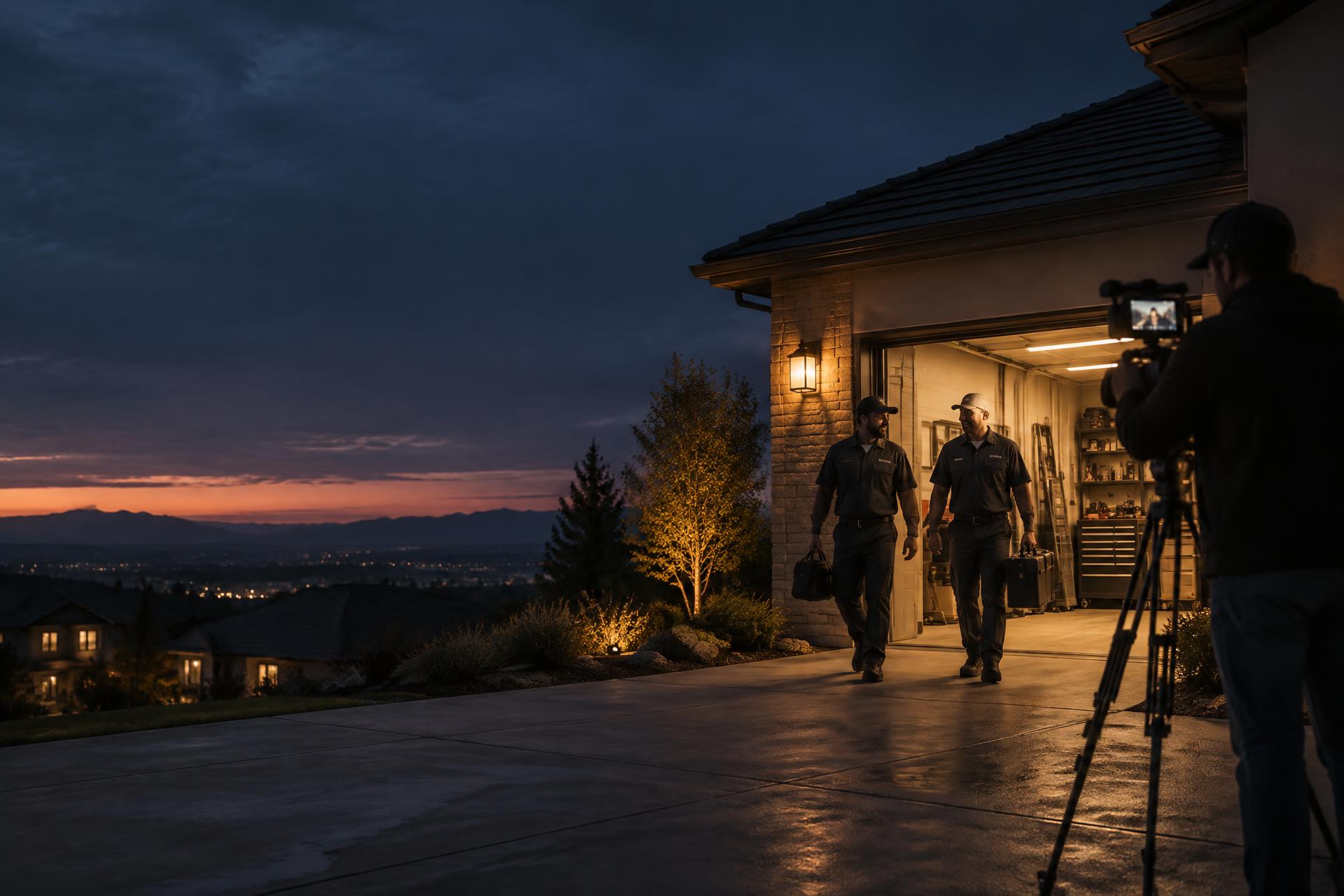
A Content Day is a scheduled photo, video and interview session designed to capture enough authentic source material to support a business's content strategy for the coming weeks or months.
It isn't necessarily a commercial video shoot. And the goal isn't to spend eight hours trying to record 90 individual social-media posts.
Instead, we're creating a library of original material that can be edited, written about, repurposed and distributed across multiple platforms.
For a local service business, a Content Day might include:
- Owner interviews
- Technician interviews
- Common customer questions
- Jobsite photography
- Vertical video
- Before-and-after content
- Trucks and branded equipment
- Team photography
- Employees working
- Tools and equipment
- Customer education
- Seasonal service advice
- Community involvement
- Company culture
- Behind-the-scenes moments
- B-roll for future videos
The important word is real.
Google's current guidance for generative AI search specifically encourages unique, valuable, non-commodity content based on what the creator actually knows, including first-hand experience. Google also recommends supporting written content with useful original images and video when appropriate. (Google for Developers)
That's an enormous opportunity for local businesses.
Why authentic content matters more in the AI era
AI can generate a picture of an HVAC technician. It can write an article about clogged drains. It can generate a list of reasons to maintain an electrical panel.
What it can't manufacture is the actual experience happening inside your business.
Your technician standing in a 110-degree attic explaining what went wrong with an HVAC installation is original. Your plumber showing mineral buildup inside a water heater is original. Your owner explaining a lesson learned after 25 years in business is original. Your crew replacing a system in a customer's home is original.
Those experiences give you something increasingly valuable: content that couldn't have come from just any business.
“The best content usually isn't something we need to invent. It's already happening inside the business. My job is to recognize it, capture it and turn one real moment into content that can keep working across multiple platforms.” — Jan Ruley, Founder, Unruly Content
This isn't about rejecting AI. AI can be extremely useful behind the scenes for research, organization, transcription, editing assistance, repurposing and workflow.
The distinction is simple: use technology to multiply your expertise — not manufacture it.
So how does one day become 90 days of content?
The math works because we stop thinking about content as individual posts. Instead, think in terms of source material and stories.
Imagine that during one Content Day we capture five technician interviews, three jobs, one owner conversation, a collection of team photography, B-roll and answers to ten common customer questions.
That's not 19 pieces of content. It's potentially dozens.
Here's how.
One technician interview can become 5+ pieces of content
Suppose an HVAC technician answers this question on camera: “How do I know whether I should repair or replace my AC?”
We now have the source material for:
- Instagram/Facebook Reel — a 30–60 second answer from the technician.
- Facebook post — a written explanation with a real photograph from the interview.
- Google Business Profile update — a shorter educational version tied to the company's HVAC services.
- Website FAQ — a clear answer added to an appropriate service page.
- Blog/article section — the technician's experience can contribute to a more comprehensive repair-vs.-replacement article.
- LinkedIn post — the owner or company can discuss how technicians help homeowners make those decisions.
- YouTube Short — the vertical interview clip can be edited for another audience.
One question. Multiple useful pieces of content.
One service call can become an entire content series
Now imagine we're documenting a tankless water heater replacement. Instead of simply snapping a picture of the finished unit, capture the story.
Before: Why is the existing water heater being replaced? What symptoms did the homeowner notice? How old is it?
During: What is the plumber doing? What should homeowners understand about the installation? What equipment is being installed?
After: What changed? What maintenance does the new system require? What should the homeowner expect going forward?
Now we have:
- Before-and-after post
- Tankless installation Reel
- Technician tip
- Google Business Profile post
- Facebook photo story
- Instagram carousel
- Website project example
- FAQ about tankless maintenance
- Article about replacing an aging water heater
- Short video about descaling
- LinkedIn employee-expertise post
Suddenly, one Tuesday morning plumbing job isn't one post. It's an entire cluster of useful information.
Content should travel across platforms — but it shouldn't simply be copied and pasted
Repurposing doesn't mean publishing exactly the same thing everywhere. Each platform has a different context.
Google Business Profile: keep the content closely connected to the business, its services and current customer needs. Google allows businesses to publish updates using text, photos and video directly on their Business Profile, and specifically recommends business-specific imagery that represents reality rather than heavily altered imagery. (Google Help)
Facebook and Instagram: this is where people, jobs, personality, behind-the-scenes moments, reviews, educational video and visual storytelling can work particularly well.
LinkedIn: take the same source material and elevate the business story. Talk about employee expertise, company culture, leadership, recruiting, craftsmanship or lessons learned in the field. LinkedIn itself recommends focusing individual videos on one clear idea and using topics the creator genuinely knows well, such as answering common questions or sharing firsthand industry observations. (LinkedIn)
Your website: this is where good source material can have a much longer life. Technician expertise can strengthen service pages. Customer questions can become FAQs. Projects can become case studies. Owner interviews can strengthen About content. A collection of related questions can become a useful article.
This is particularly valuable because Google continues to emphasize original information, first-hand expertise, useful analysis and people-first content in its search guidance. (Google for Developers)
The website is where your content can compound
Social posts move quickly. Website content can keep working.
Imagine you've interviewed four HVAC technicians during the year and asked each of them different questions about system replacement. You might eventually have first-hand material covering:
- HVAC lifespan
- Repair vs. replacement
- SEER2 efficiency
- System sizing
- Ductwork
- Indoor air quality
- Maintenance
- Financing questions
- Installation expectations
Instead of writing another generic “Ultimate Guide to HVAC Replacement,” you can create something much more valuable: a guide informed by the actual questions your customers ask and the people in your company who answer them.
That's the kind of content system we're trying to build.
What should you capture during a quarterly Content Day?
I like to work backward from the next 90 days.
- What's happening seasonally?
- What services need visibility?
- What questions are customers asking?
- What offers are coming?
- What projects are worth documenting?
- Which employees haven't been featured?
- What pages on the website need better first-hand information?
- What do we need for Google?
- What short-form video opportunities are missing?
From there, we build a shot and interview plan.
The goal isn't: “Let's make some videos.”
It's: “What source material will this business need for the next three months?”
That's a completely different approach.
A sample 90-day content library
Let's say one Content Day produces: 10 strong employee/customer-question videos, 3 documented jobs, 40–60 usable photographs, 20–30 B-roll clips, 1 owner interview, 5 short seasonal messages and 10 FAQ answers.
That material might ultimately support:
- 12–20 social posts
- 8–12 short-form videos
- 6–10 Google Business Profile updates
- 3–6 LinkedIn posts
- 2–4 website content updates or articles
- Multiple FAQs
- Several future ad creatives
- Plus a reusable image and video library.
The exact numbers will vary enormously depending on the business, what happens during the shoot and the content strategy.
That's why I don't believe the goal should be: “We need exactly 30 posts.”
The goal should be: capture enough good material to tell the right stories consistently.
Why this works particularly well for home service companies
Home services are incredibly visual. There are people. Trucks. Tools. Equipment. Problems. Solutions. Before-and-afters. Homes. Neighborhoods. Technology.
And — most importantly — expertise.
A plumber explaining what he's seeing inside a failed water heater is inherently more credible than a generic graphic saying: “5 Signs You Need a New Water Heater.”
You can still create that educational content. But now there's a real person and real experience behind it.
That gives your marketing something AI-generated commodity content struggles to replicate: evidence.
A Content Day isn't about becoming an influencer
This is worth saying because many owners and technicians freeze when they hear the word “video.”
Nobody needs to become a YouTube personality. You don't need memorized scripts. You don't need employees performing for the camera. In fact, I usually want the opposite.
Ask a technician a question they answer every week:
- “What's happening here?”
- “Why did this fail?”
- “What should a homeowner watch for?”
- “What would have prevented this?”
- “When should someone call a professional?”
Then let them answer like they would answer a customer. That's where the good stuff usually comes from.
Your content calendar becomes easier when you have a content library
Without a library, content marketing starts every Monday with: “What are we going to post?” That's exhausting.
With a library, the conversation becomes: “What story should we tell this week?”
Now you have real photographs. Real interviews. Real jobs. Real questions. Real employees. Real expertise.
And that gives your content partner the raw material to strategically distribute information across the places customers are searching, scrolling and asking questions.
That's the difference between making posts and building a content system.
What does a Content Partner do with all of this?
Capturing the material is only the first step. Someone still has to decide:
- What matters?
- What gets published where?
- What becomes video?
- What belongs on Google?
- What should become a website FAQ?
- Which subject deserves an article?
- What should the owner discuss on LinkedIn?
- What should become an ad later?
- What should be saved for next month?
That's the role of a Content Partner.
At Unruly, the objective isn't simply to hand a business a Dropbox folder containing 300 photographs and wish them luck. It's to turn what happens inside the business into an ongoing, intentional digital presence.
You keep running your business. We make sure people see it.
Frequently asked questions
What is a Content Day for a local service business?
A Content Day is a planned on-location session used to capture original photos, short-form video, employee expertise, customer FAQs, jobs, interviews and B-roll. The material is organized into a content library and repurposed across the company's website, Google Business Profile, social channels, LinkedIn and other marketing channels over the following weeks or months.
Can one Content Day really create 90 days of content?
Yes, when the session is strategically planned and the resulting material is repurposed rather than treated as individual finished posts. One technician answer, documented project or owner interview can generate several pieces of content across multiple channels. “90 days” describes the content-planning horizon rather than guaranteeing a fixed number of posts.
How often should a home service company schedule a Content Day?
Quarterly content sessions can work well for businesses that want a fresh library for each season. Some businesses may benefit from monthly or more frequent capture, while others can supplement quarterly sessions with photos and videos their employees collect between shoots.
What should an HVAC company film during a Content Day?
Useful HVAC content can include technician FAQs, maintenance advice, repair-versus-replacement explanations, installations, equipment comparisons, indoor-air-quality topics, ductwork, seasonal advice, employee introductions, owner interviews, trucks, tools and jobsite B-roll.
What should a plumbing company film during a Content Day?
Plumbing companies can document water heater replacements, tankless systems, drain cleaning, sewer inspections, slab-leak work, water filtration, fixture installations and common customer questions. Technicians explaining what they find during real jobs can provide particularly useful educational source material.
Should local businesses use AI-generated images instead of scheduling photography?
AI imagery can be useful for some creative applications, but local businesses should maintain a strong library of authentic imagery showing their actual people, work and locations. Google recommends Business Profile photos that are well-lit, in focus and representative of reality without excessive alteration or AI use. (Google Help)
Does original photo and video content help with SEO and AI search?
Original imagery and video can strengthen useful website content and demonstrate first-hand experience. Google's current generative-AI search guidance specifically recommends unique, non-commodity, people-first content and suggests supporting textual content with high-quality relevant images and videos when appropriate. That does not guarantee rankings or inclusion in AI-generated answers. (Google for Developers)
Should the same content be posted on Facebook, Google Business Profile and LinkedIn?
The same underlying story can be used across multiple platforms, but it should usually be adapted for each audience and context. A technician interview might become a short Reel on Instagram, a service-focused update on Google Business Profile, an employee-expertise story on LinkedIn and an FAQ on the company website.
What is the difference between a content creator and a Content Partner?
A content creator typically produces individual assets such as photographs, videos or posts. A Content Partner takes a broader role: identifying useful stories and expertise, capturing source material, determining how it should be repurposed, and maintaining a consistent content presence across the business's important digital channels.
What happens to the photos and videos after a Content Day?
The strongest assets should be organized into a reusable content library. From there, they can support social posts, Reels, Google Business Profile updates, website pages and articles, FAQs, LinkedIn content, email marketing and, where appropriate, future paid advertising.
Sources
- Google for Developers — creating valuable content for generative AI search; creating helpful, people-first content
- Google Help — Google Business Profile photography and posts
- LinkedIn — guidance on creating useful video content